





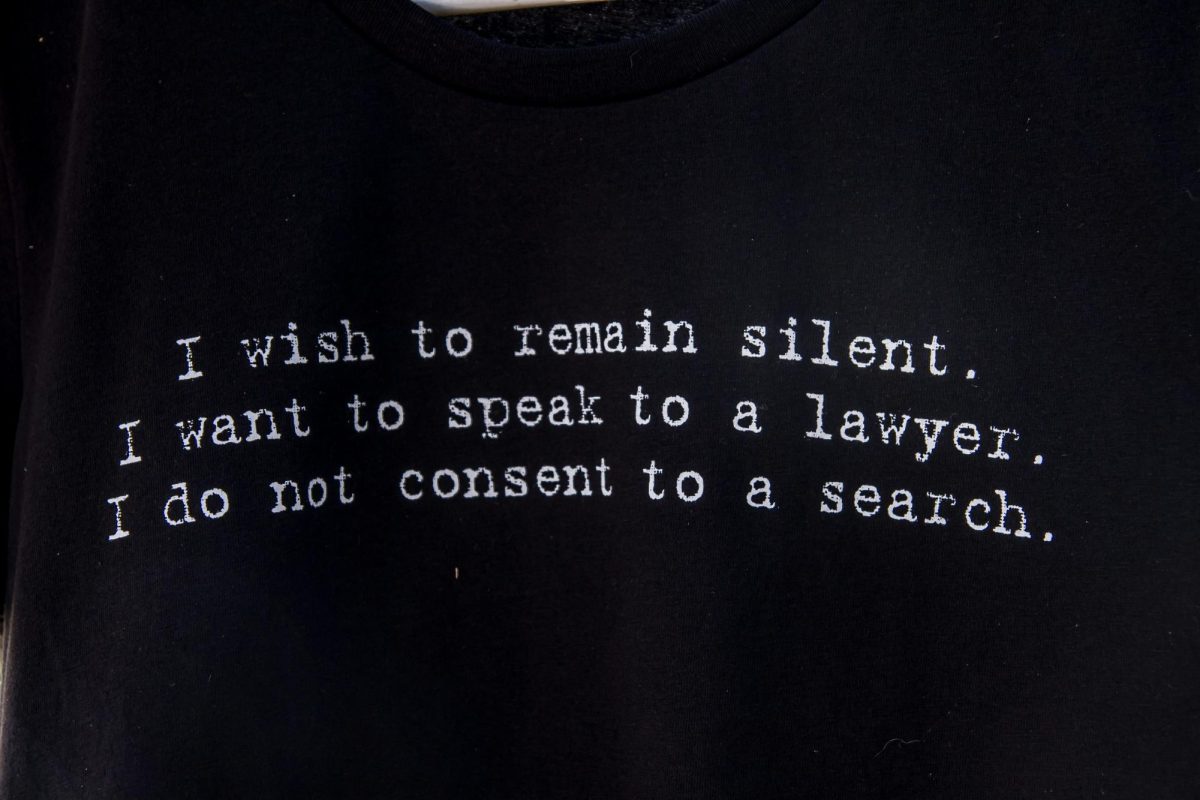


In 1969, the Supreme Court ruled in Tinker v. Des Moines that students do not “shed their constitutional rights to freedom of speech or expression at the schoolhouse gate.” This case involved students wearing black armbands to peacefully protest the Vietnam war and the ruling established a strong principle: As long as a student is peacefully protesting without causing a major disruption, they are protected under the First Amendment.
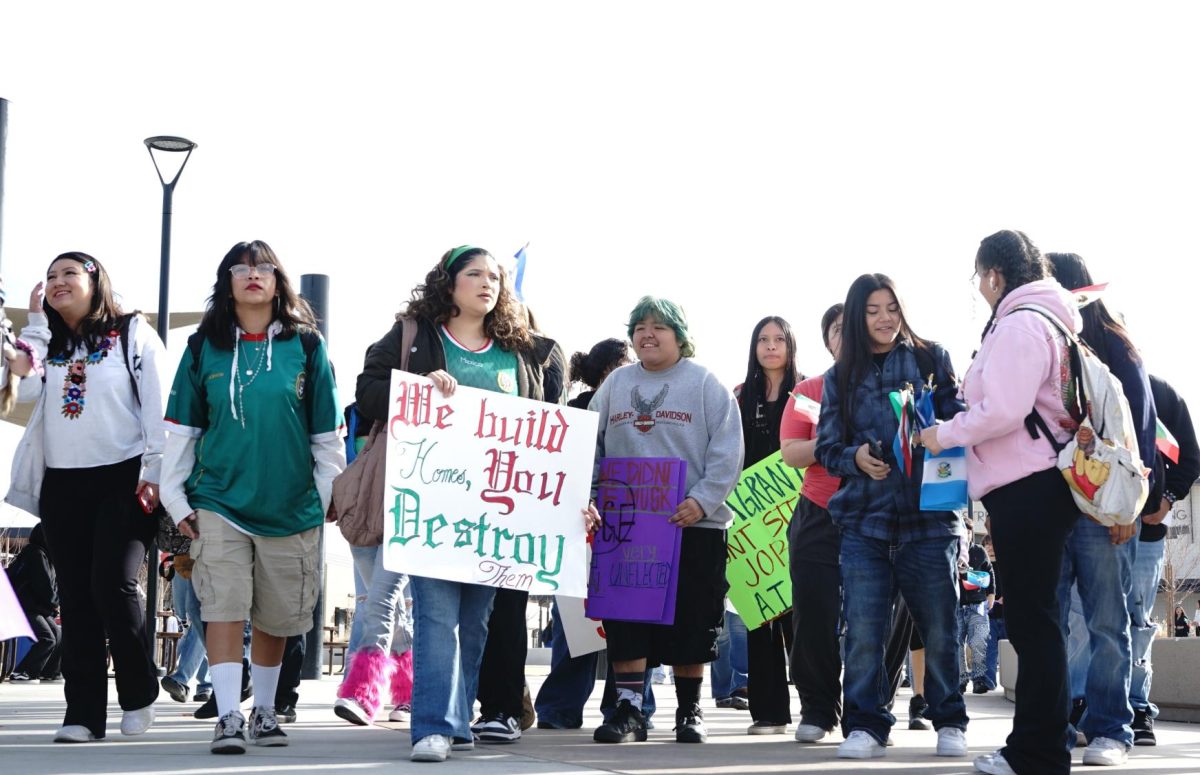
More than 50 years later, this precedent still upholds and applies to modern forms of student protests such as walkouts, and still remains relevant as students continue to stand up and speak out against issues plaguing their communities and lives.
Across the country, students are struggling to find a voice against the current presidential administration and the violent ways in which federal officers have been treating civilians. Online, many people are starting to hold Immigration Customs Enforcement (ICE) officers accountable for the 31 deaths caused by them in 2025, and the deaths of Keith Porter and Renee Nicole Good in 2026.
Students in Bakersfield are watching this all unfold online and feeling a sense of helplessness, especially when remembering that around this time last year Bakersfield was targeted by state and federal border patrol officers.
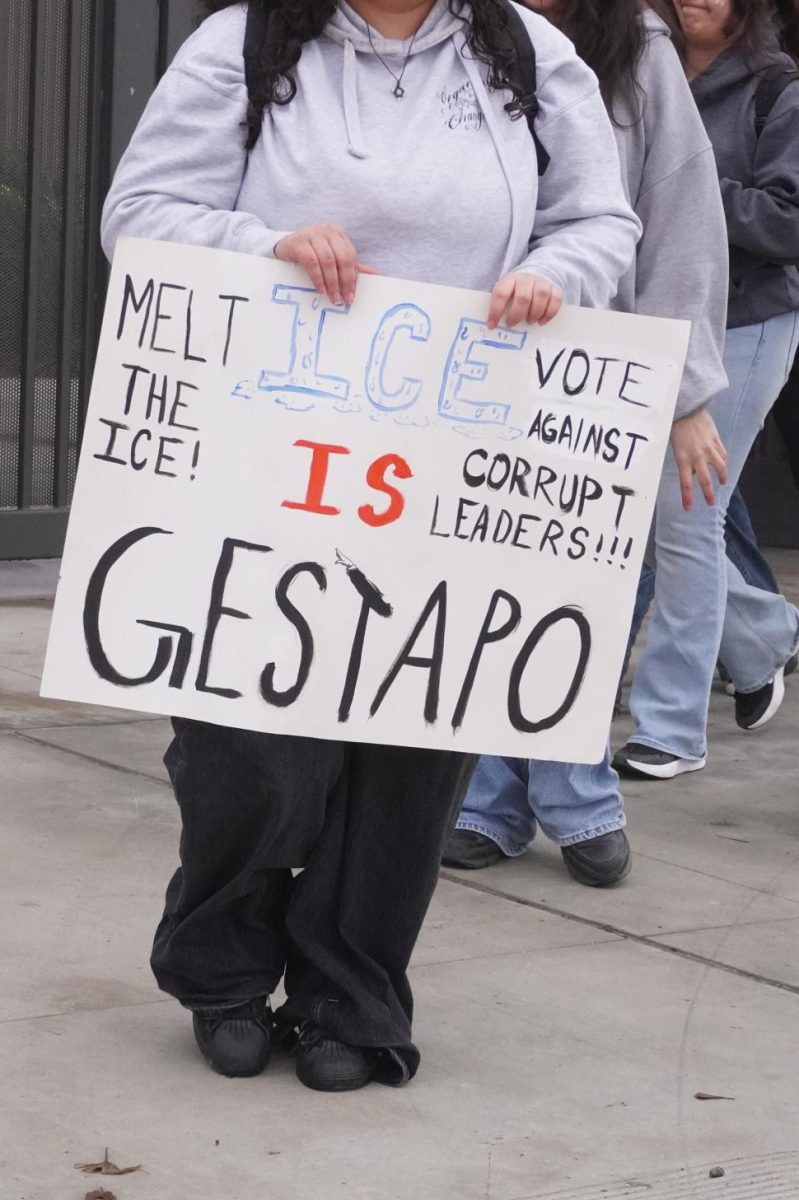
Using social media as a tool, students are practicing their First Amendment through protests, especially walkouts. They’re teaming up with local organizations like United Liberation Front For Palestine (ULFFP) to ensure that these walkouts are done safely and peacefully, yet leave an impact on the city of Bakersfield to listen to their community.
In moments like these, it’s important to remember that the rights to free speech, assembly, and protest under the First Amendment apply to all people on U.S. soil. These protections do not disappear because someone is a student, nor if the person is an undocumented citizen.
When faced with the decision to be silent or to speak out, students shouldn’t be taught to fear consequences more than they value their morals and conscience.