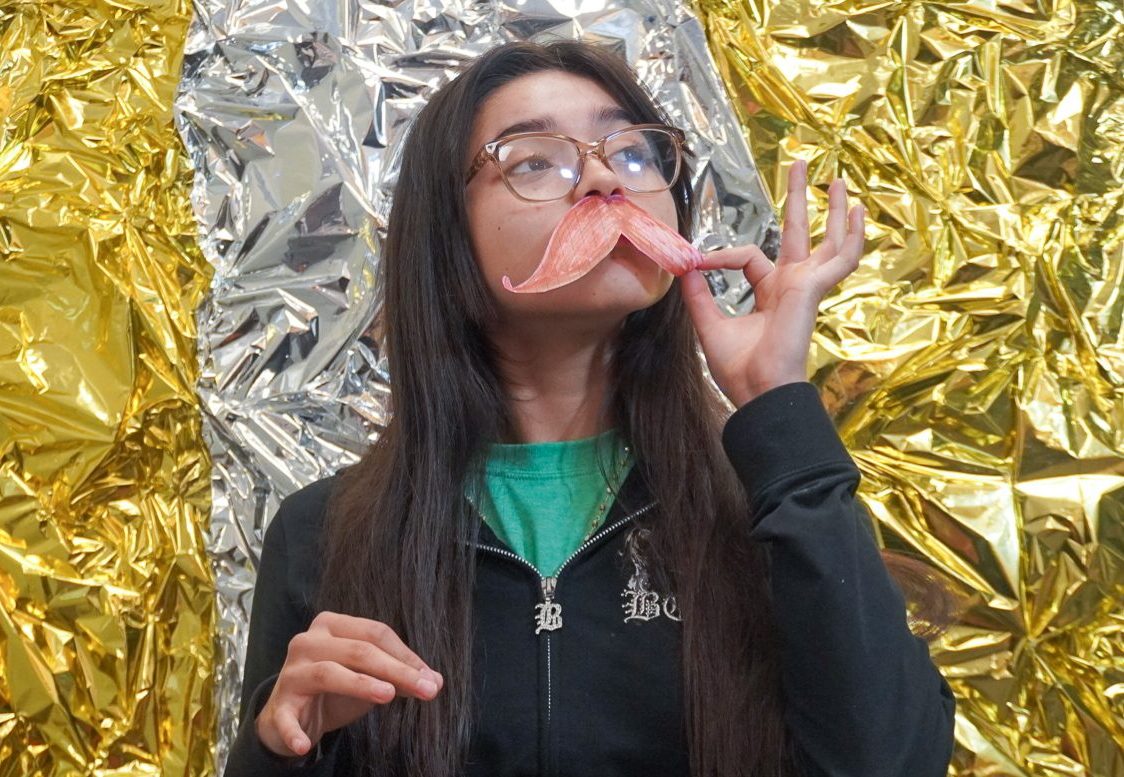
Personal stories have shaped who we are today; whether it’s improving self-esteem, leaving toxic peers, or healing from unheard issues, but the most important questions are:
How did you manage to overcome your obstacles?
Who helped you through the hardest parts of your life?
How would you now use those experiences to help those in need?
Recognize that your past has provided a valuable perspective, and use that to navigate present pressures. Instead of letting overwhelming stressors carry you, focus on small achievements or meaningful connections. Every moment has led you here today.
Still, there’s a difference between suppressing your memories and embracing history.
For a long time, I didn’t feel as if I truly belonged.
During middle school, I had friends, but unexpected loneliness lingered in the air. I was unimaginably drained, and carried emotions I didn’t know how to explain; those emotions came out in hurtful, unexpected outbursts.
After months of crying and feeling unsupported, I started to put myself back together. It wasn’t easy. I stumbled repeatedly, but I never gave up.
I gave myself the attention I once gave to others. Stepping out of my comfort zone was uncomfortable, but through quiet practice, I learned self-love.
It was that small shift that made me want to keep refining my character. I began to connect with others and become a better version of myself. My self-esteem grew, even when others offered negative feedback. I learned to love my flaws and awkward quirks; I understood myself more deeply than anyone else could.
I made mistakes. I learned from them.
I couldn’t tell anyone how they should feel or how they can cope, but what helped me was forgiving myself through those rough days and the stressful moments.
Too often, we blame ourselves for experiences that bring shame and guilt. When we let those stories have an ending to defeat us, our self-esteem suffers.
The essence lies in the stories that define us.
They are what make our lives unique in their own way, and we should embrace our character with pride, love, creativity, and growth.
The Why
I decided to write about this because these experiences live within me, and I believe others can relate similarly. We all carry experiences we never discussed or almost forgot. Life isn’t easy, but we get through it one step at a time, and learning from our mistakes is never a bad thing. We learn and grow, and it’s a key aspect in life, and we should allow self-growth to spread throughout our lives.
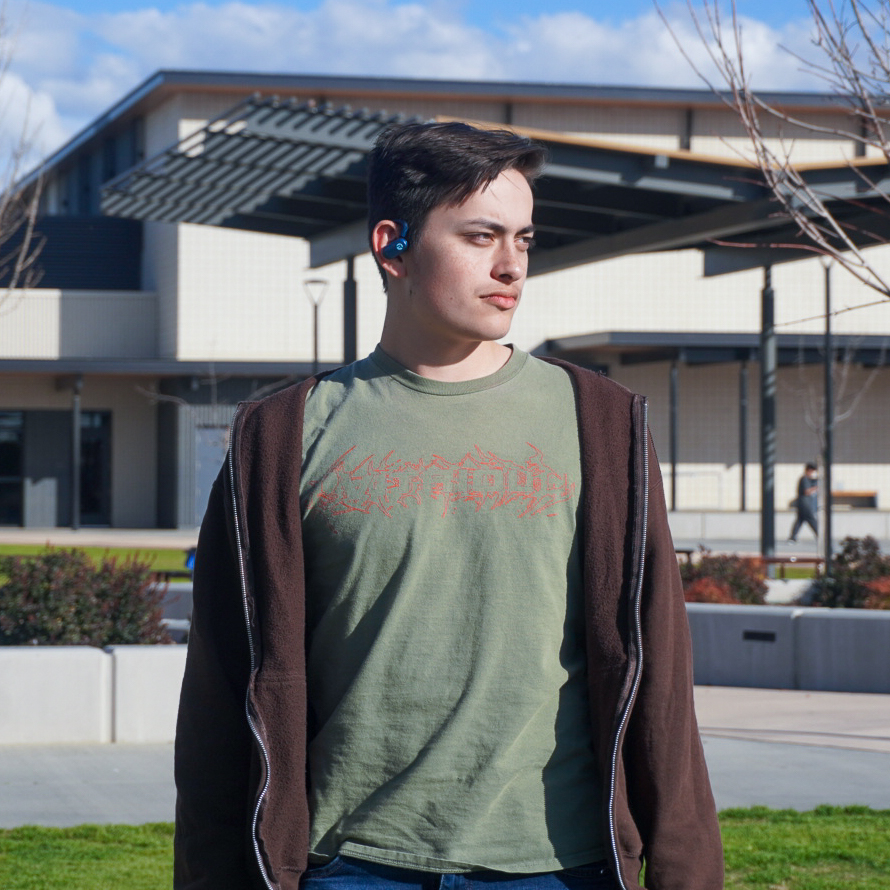
Q: Thinking about your journey of self-esteem growth, even when others offered their negative feedback, how do you encourage others to love themselves?
Aidan E. Alvarez Lopez: “I focus on the good quantities they are proud of, and help them recognize those strengths rather than their flaws. Many people forget that everyone has imperfections, but I like reminding others of their good qualities and have people who care about them as much as I do.”
Herby Peterson: “I point out their positive traits and encourage them to look at the positive side, then the bad, but especially their personalities or quirky characteristics.”
Emiliano Orduno: “I would show them their worth because knowing one’s worth is the best place to start. And once people recognize their worth, they slowly improve on themselves.”
Q: What strategies did you use to finally recognize you deserved more and leave “toxic peers” behind, and what impact did that have on your well-being?
Alvarez Lopez: “I’ve never experienced this, but if someone is bringing you down more than bringing you up, it is best to separate yourself from the situation. If you can’t avoid this person, I recommend seeking help from a trusted adult and addressing the situation in a supervised environment.”
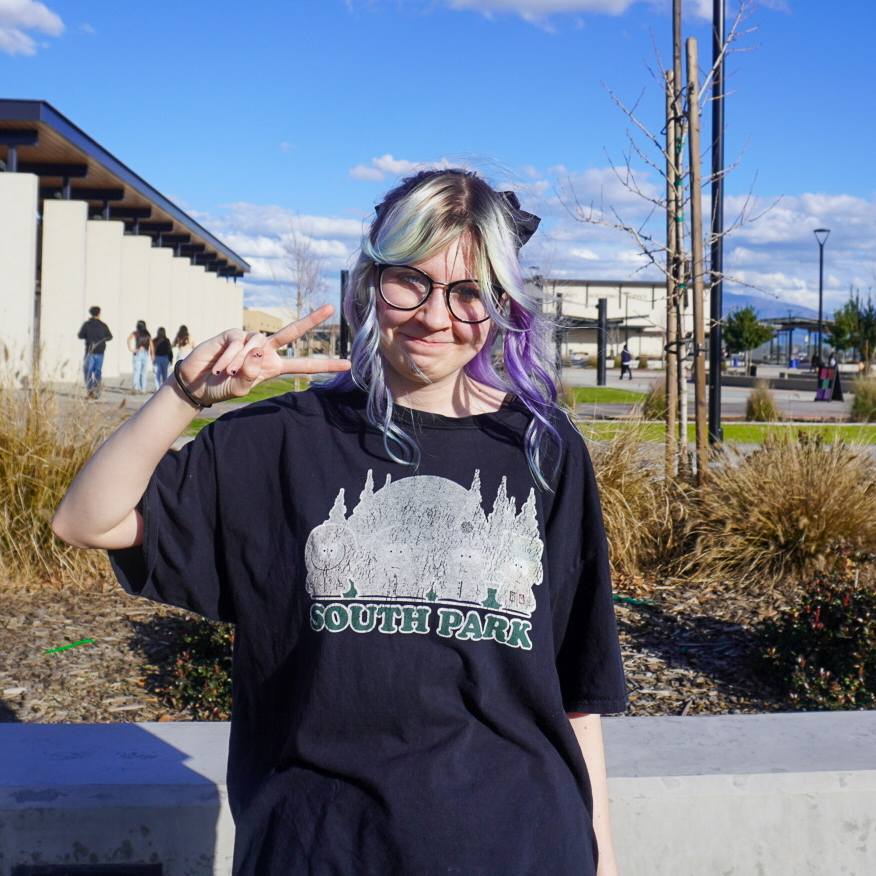
Peterson: “I have recognized this, but didn’t take action at the time. I had two friends, one of whom was toxic, and let them treat me poorly. However, I eventually stopped talking to them, and it impacted me by allowing tolerance of that behavior.”
Orduno: “I started reflecting on how that person treated me and if they were a positive or negative influence, and I decided if that relation is healthy for me.”
Q: How did you navigate a period of “unexpected loneliness” or feeling like you didn’t belong, and what small actions helped you feel more connected?
Alvarez Lopez: “I’ve had many periods like this. I moved schools and met new people with whom I’m still close with today. If you ever feel like you don’t belong. I think expressing how close you want to be with others and continuing to stick with them can make a big difference.”
Peterson: “I coped by writing and creating art, but certain aspects of life led me to self-isolate, which made me feel even more detached.”
Orduno: “A small action I took was playing games with my friends, feeling more connected. We spent time together, going to the park, McDonald’s, or just bonding, and it helped me a lot.”
Q: What was a moment in your life where you felt truly tested, and what was the first small step you took toward managing that challenge?

Alvarez Lopez: “During my freshman year, I had an enlarged spleen, which made any physical contact life-threatening. Later, I tore my patellar tendon during track. I’m currently undergoing therapy, but those are my major challenges because I had to step away from the sports I loved.”
Orduno: “I struggled with track and cross country when running no longer felt the same. It used to clear my mind. A running club pushed me, but once that support disappeared, I struggled to continue.”